
Every year, thousands of children and adults suffer injuries from garage door accidents. Your garage door weighs hundreds of pounds and moves with significant force. These powerful machines can cause serious harm when safety features fail or when families ignore basic precautions.
Garage door safety isn’t just about having the right equipment installed. Many homeowners don’t realize their doors lack essential safety features or don’t know how to test them properly. Children playing near garage doors face the greatest risk, especially when families haven’t established clear safety rules.
This guide teaches you how to protect your family with proper garage door safety measures. You’ll discover essential safety features every door should have, learn simple tests you can perform monthly, and understand when professional inspections are necessary. Plus, you’ll get practical safety rules to teach your children today.
Understanding Common Garage Door Safety Hazards
Garage doors create multiple danger zones around your home. The door itself weighs between 130 and 350 pounds, depending on size and material. When this heavy object moves up and down several times daily, accidents can happen quickly without proper safety measures.
Crushing and entrapment pose the most serious threats to families. Children can become trapped under a closing door if safety sensors malfunction or don’t exist. Additionally, the powerful springs and cables under extreme tension can snap suddenly. Broken springs release tremendous energy that causes severe injuries when they fail unexpectedly.
Pinch points along the door sections and tracks injure fingers and hands frequently. The moving panels create gaps that close as the door operates. Therefore, keeping hands away from all moving parts prevents these painful accidents.
Essential Safety Features Every Garage Door Should Have
Modern garage doors include several safety features that protect your family from accidents. These technologies work together to prevent injuries and save lives. Understanding what your door should have helps you identify missing protections.
Auto-Reverse Mechanism
The auto-reverse mechanism stops and reverses your door when it meets resistance. This critical safety feature prevents crushing injuries when something blocks the door’s path. The system uses force sensors built into the opener that detect unexpected pressure. When activated, the door immediately stops closing and returns to the open position.
Photoelectric Eyes
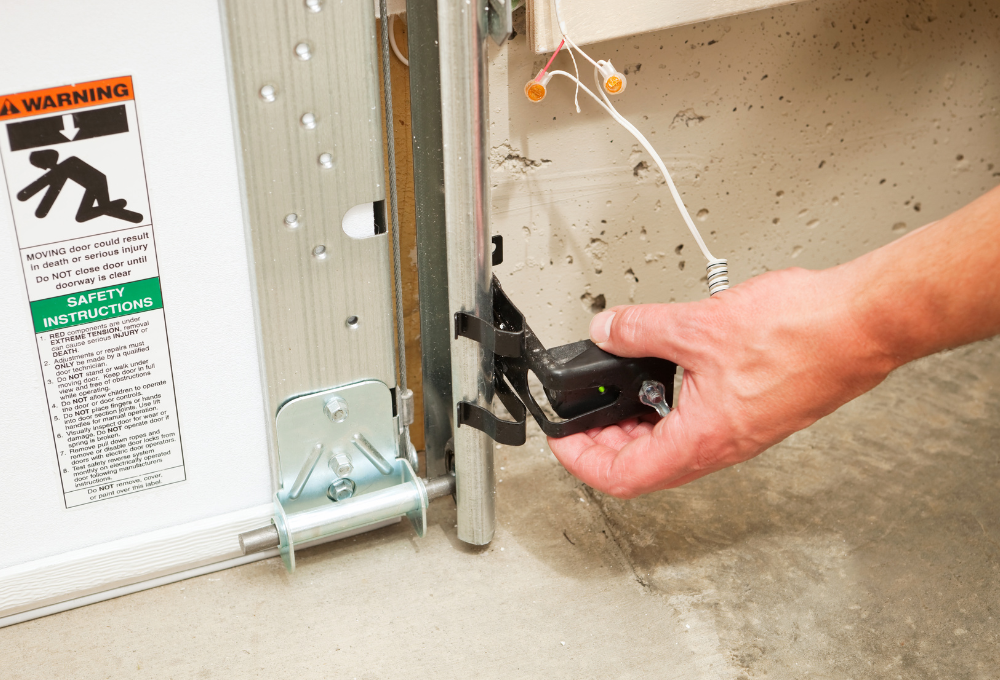
Photoelectric eyes create an invisible beam across your garage door opening. These optical sensors sit about six inches above the ground on each side. When any object breaks the beam while the door closes, it stops and reverses immediately. This garage door safety feature protects children, pets, and objects from being crushed.
Manual Release Handle
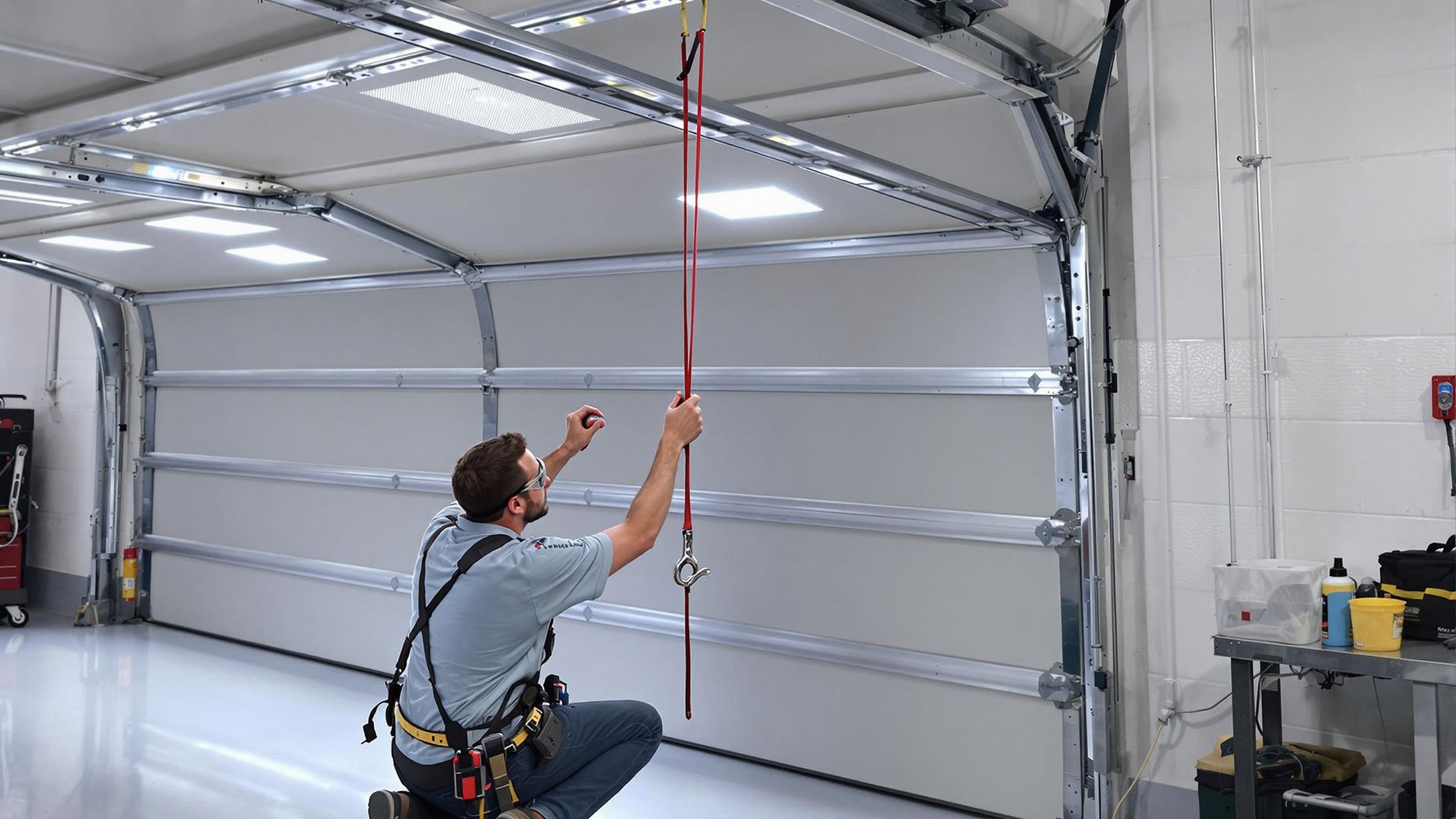
The manual release handle disconnects your door from the automatic opener. This red emergency cord hangs from the opener rail inside your garage. During power outages or opener malfunctions, pulling this handle allows manual door operation. However, never use the release handle while the door is open because it could suddenly open.
Tamper-Resistant Bottom Brackets
Bottom brackets hold the torsion springs under extreme tension. Homeowners should never attempt to adjust or remove these brackets themselves. Professional technicians have specialized tools and training to work safely with spring tension. Garage door repairs involving springs require expert handling because improper work causes serious injuries.
Rolling Code Technology
Rolling code technology prevents criminals from stealing your remote signal. Older garage door openers use fixed codes that thieves can copy easily. Modern systems generate a new code with each button press. This security feature protects your family by keeping intruders out of your home. Additionally, it prevents neighborhood children from accessing your garage with universal remotes.
Having all these garage door safety features installed and functioning properly gives you peace of mind. Each component serves a specific purpose in protecting your family. Regular testing and maintenance keep these systems working when you need them most.
Teaching Your Family Garage Door Safety Rules
Establishing clear safety rules prevents accidents before they happen. Children need to understand that garage doors are not toys. Start teaching these rules as soon as your kids can walk and reinforce them regularly.
Keep children away from garage door remotes and wall buttons. Store remotes in your car’s visor or another secure location out of reach. Never let children play with the remote as a toy. Similarly, mount wall buttons at least five feet high so young children cannot reach them.
Never walk or stand under a moving garage door. Teach family members to wait until the door completely opens or closes before walking through. Additionally, emphasize staying clear of the door’s path during operation. Make it a household rule that everyone watches the door until it stops moving. Practice these garage door safety habits together until they become automatic for everyone.
Monthly Safety Tests You Can Perform at Home
Regular testing catches problems before they cause accidents. These simple checks take only a few minutes each month. Performing these garage door safety tests gives you confidence that your protection systems work correctly.
Test the auto-reverse mechanism by placing a cardboard box or roll of paper towels in the door’s path. Close the door using your remote or wall button. The door should reverse immediately when it touches the object. If the door crushes the object or continues closing, call for professional service right away. This malfunction puts your family at serious risk. Additionally, test the force setting by holding the bottom of the door as it closes. It should reverse with light pressure from your hands.
Check your door’s balance by disconnecting the opener using the manual release handle. Lift the door halfway and let go carefully. A properly balanced door stays in place or moves slowly. However, if the door slams down or shoots up quickly, the springs need adjustment. Never attempt spring adjustments yourself because rollers and cables work under dangerous tension. Furthermore, test photoelectric sensors by waving a broom handle through the beam while closing the door.
Professional Safety Inspections from Precision Door Torrance
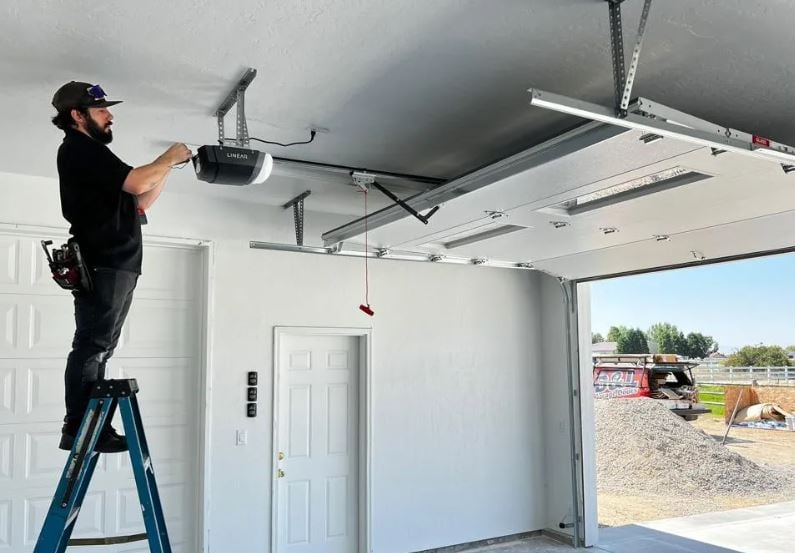
Professional technicians identify problems that homeowners often miss during routine checks. Our trained experts examine every component of your garage door system thoroughly. We test all safety features, inspect spring tension, check cable condition, and evaluate overall door operation. A comprehensive inspection reveals worn parts before they fail and cause accidents.
Annual professional maintenance extends your door’s lifespan while protecting your family. We adjust springs, lubricate moving parts, tighten hardware, and replace worn components. Regular service prevents unexpected breakdowns that leave you stranded. Moreover, our technicians update older systems with modern garage door safety features when needed.
Contact us today to schedule your family’s safety inspection. Our Torrance experts provide thorough evaluations and honest recommendations that keep your loved ones protected from preventable garage door accidents.