
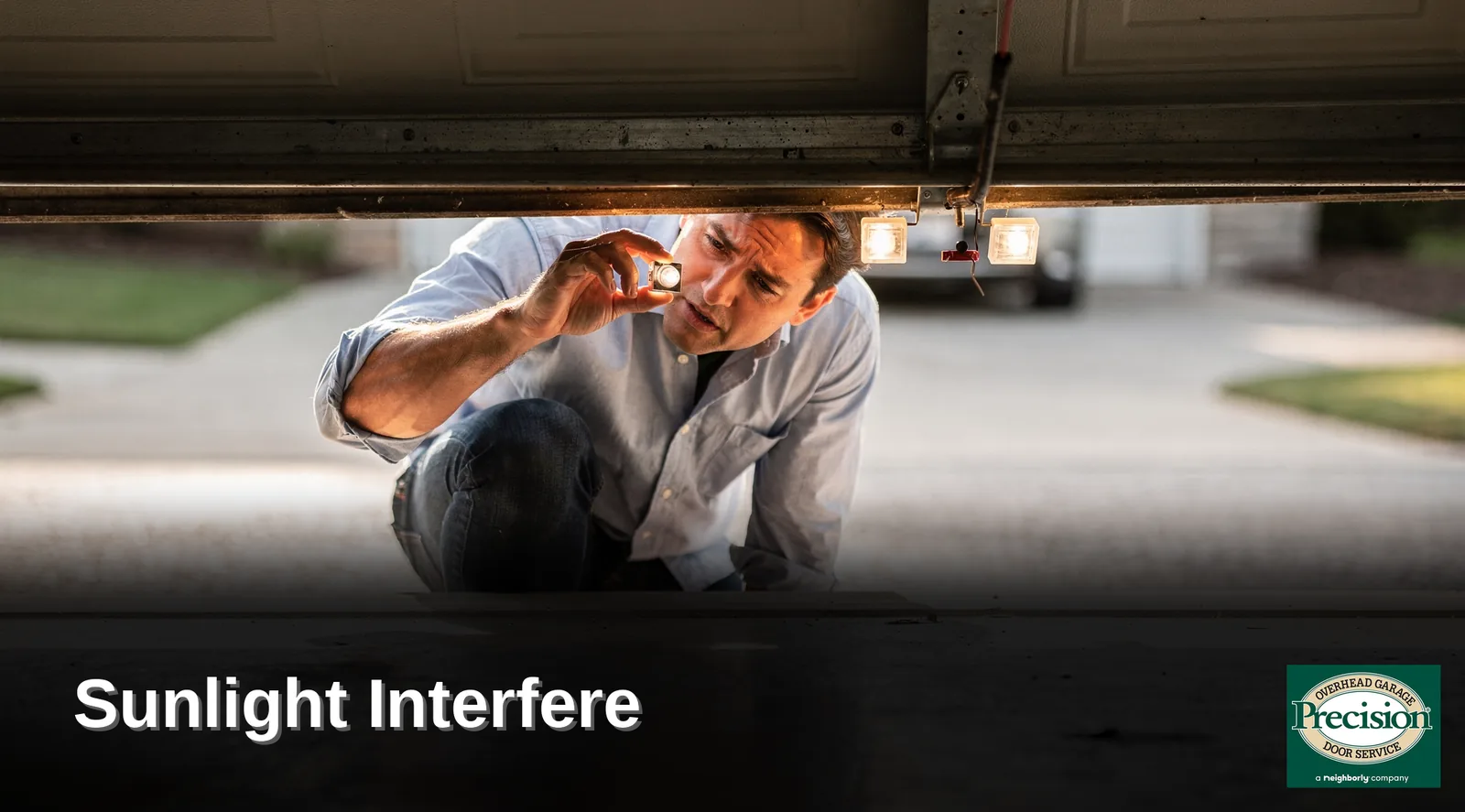
When it comes to can sunlight interfere with garage door sensors, direct sunlight causes garage door safety sensors to misread infrared signals, especially during Southern California’s brightest hours. Sensors positioned near the ground align at driveway height, making them prone to glare from low morning or afternoon sun. This interference blocks proper alignment, causing the door to reverse or refuse closing until sun angles change.
Key Takeaways
- Direct sunlight interferes with garage door safety sensors and disrupts normal door operation.
- Sensors malfunction when sun shines into your garage, causing doors to stop closing.
- Garage door sensors detect objects near ground level as their primary safety function.
- Precision Garage Door of Torrance diagnoses and resolves sunlight interference issues for Torrance residents.
Can sunlight interfere with garage door sensors?
Yes, direct sunlight interferes with garage door safety sensors and changes how the door operates. This issue explains why many homeowners experience garage doors that may not close properly during sunny hours. The problem stems from the sensor technology itself.
Garage door safety sensors use an invisible infrared beam that runs from one side of the door opening to the other. When the door closes, that beam must stay connected. If anything interrupts the connection, the system stops or reverses the door immediately. Sunlight can mimic the infrared signal, confusing the sensor and preventing the door from closing.
How does sunlight mimic the infrared beam?
Direct sunlight contains infrared wavelengths that match the sensor’s own signal. When bright sun hits the receiving sensor, it floods the unit with extra infrared light. The sensor cannot distinguish between its own beam and the sun’s rays. This confusion causes the system to think something blocks the path, triggering a safety reversal.
When does sunlight interference happen most often?
The problem follows a predictable daily pattern. Homeowners notice the garage door wont close when sunny during late afternoon hours when the sun sits low in the sky. West-facing garages experience the worst interference as the setting sun shines directly into the sensor eyes. The door works perfectly in morning and evening shade but fails during that narrow sunny window.
How do I fix sunlight blocking garage door sensor?
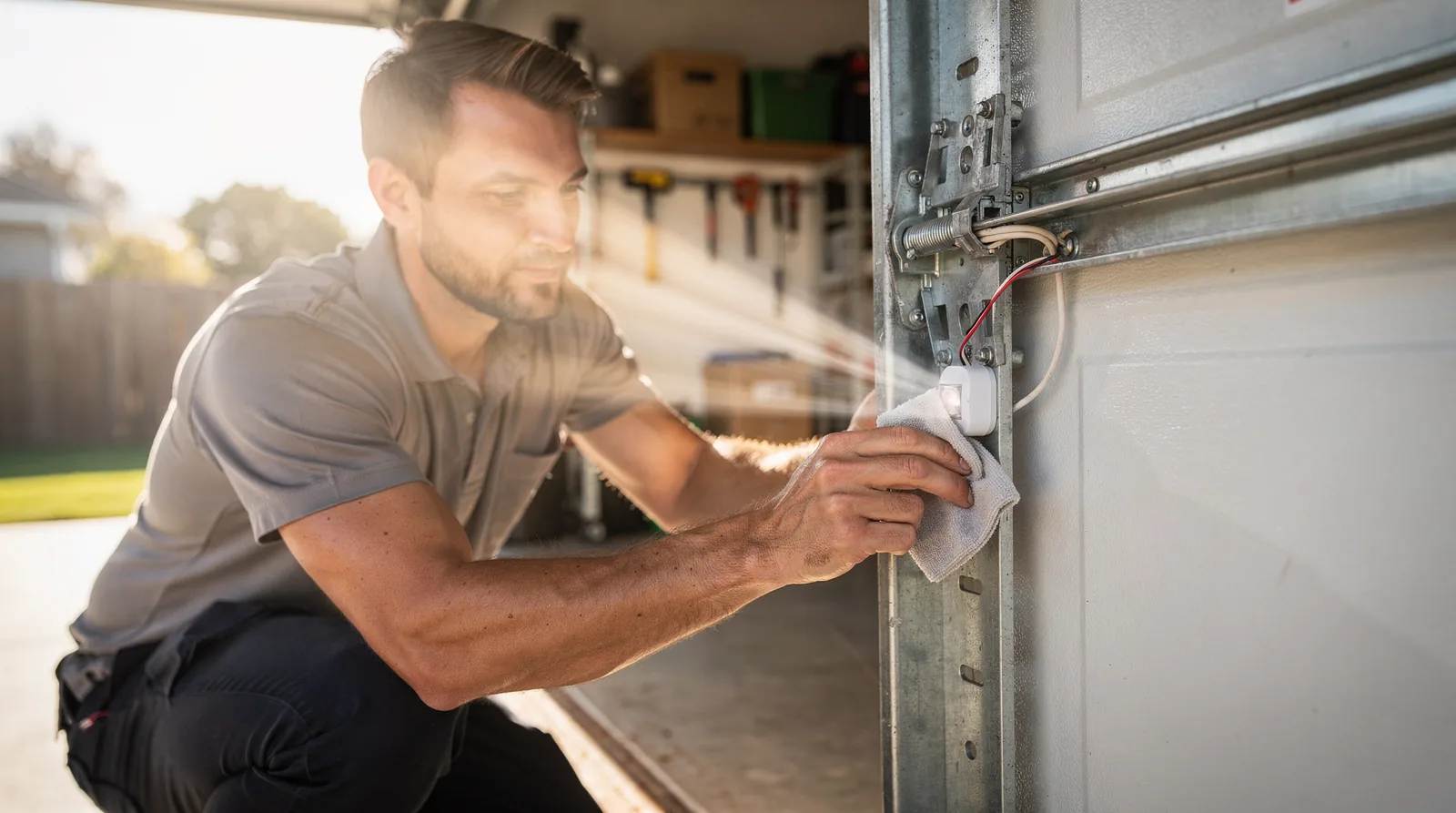
Fixing sunlight blocking garage door sensor issues starts with a simple DIY solution: installing a [Extend the Lifespan of Your Garage Door](https://precisiondoortorrance.com/?p=8766) over the receiving sensor. This small shield blocks direct rays while still allowing the infrared beam to pass through. Homeowners can also adjust the sensor bracket angles to redirect the unit away from peak sun exposure. These two steps resolve the majority of cases where a garage door wont close when sunny.
What if adjusting the sensors doesn’t work?
When bracket adjustments and sun shades fail to solve the problem, [garage door safety sensor troubleshooting](https://precisiondoortorrance.com/garage-door-sensor-troubleshooting-what-to-check-first/) from a certified technician becomes necessary. Professional inspection checks for internal sensor damage, wiring faults, or alignment issues that DIY methods cannot correct. Precision Garage Door of Torrance provides certified technicians who diagnose and repair sensor interference quickly. For homeowners in the South Bay area, [Garage Door Remote Not Working: Why Your Garage Door Remote Isn’t](https://precisiondoortorrance.com/?p=8755) services ensure the door operates reliably regardless of sun position.
Can a sun shade damage the sensor?
No—a properly installed sun shade protects the sensor without harming it. The shade simply blocks direct light while leaving the infrared communication path between both sensors unobstructed.
When should I call for torrance garage door repair?
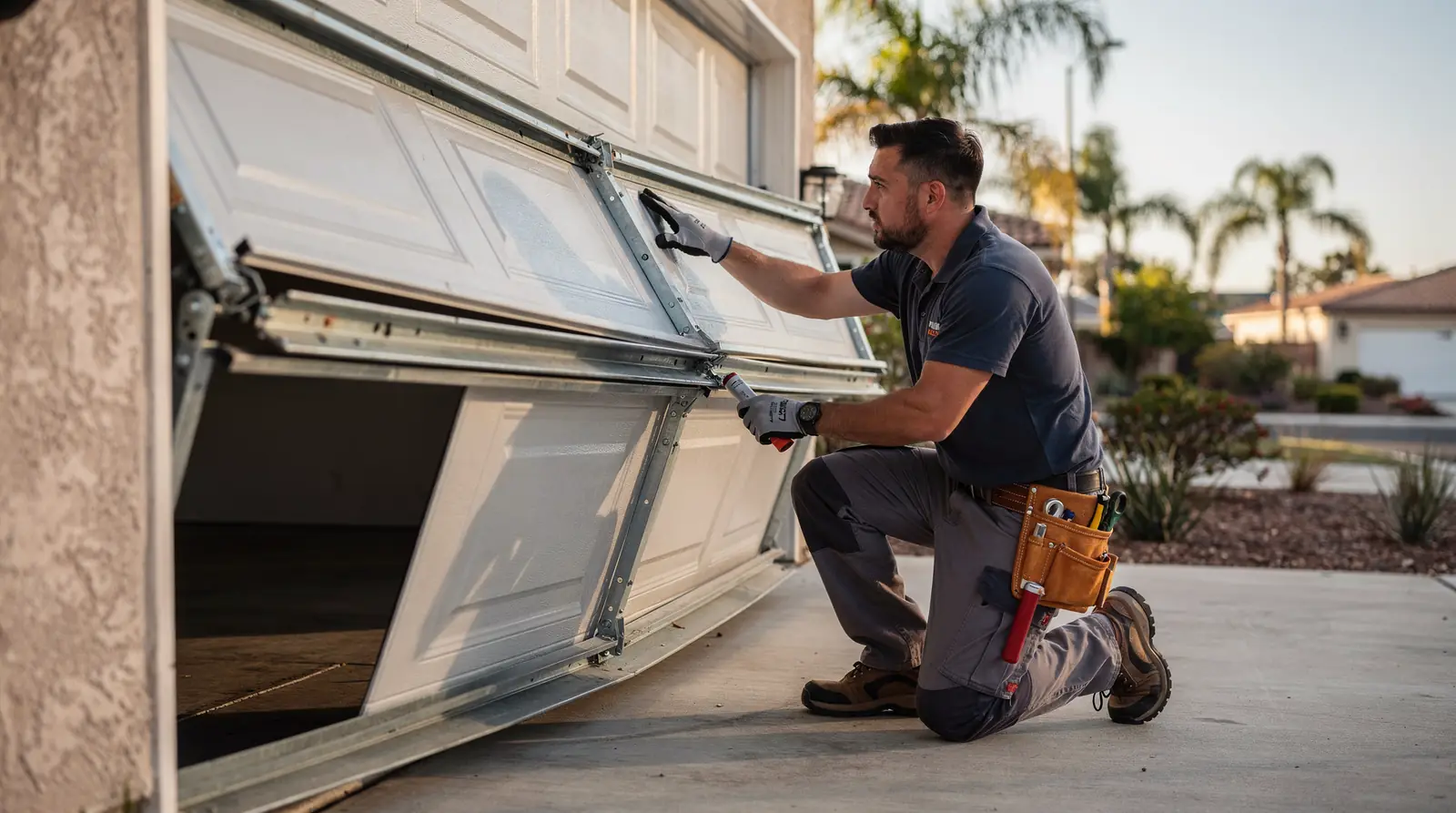
A homeowner should call for torrance garage door repair when the door refuses to close during sunny hours. Operates normally at night or on overcast days. This pattern strongly suggests that sunlight interference is causing the garage door sensor to malfunction. If the problem persists after adjusting sensor brackets or installing a garage door sensor sun shade, professional help becomes necessary.
What if DIY fixes do not resolve the issue?
Persistent garage door safety sensor troubleshooting requires certified technicians who understand sensor alignment and infrared interference. Precision Garage Door of Torrance dispatches same-day service with transparent written estimates and industry-leading warranties. Attempting further adjustments without proper tools risks damaging the sensor brackets or wiring.
How does professional repair differ from DIY?
Certified technicians diagnose whether the garage door wont close when sunny due to sensor misalignment, electrical issues, or component failure. They restore reliable operation with guaranteed results, eliminating the frustration of a door that stops working at the worst possible moment.
FAQ
Can sunlight interfere with garage door sensors?
Sunlight mimics the infrared beam, confusing the sensor and causing the door to stop or reverse instead of closing.
When does sunlight interference happen most often?
Interference follows a predictable daily pattern, occurring most during late afternoon hours when the sun sits low in the sky. West-facing garages experience the worst issues as the setting sun shines directly into the sensor eyes.
Install a garage door sensor sun shade over the receiving sensor to block direct rays while allowing the infrared beam through. Adjusting the sensor bracket angles away from peak sun exposure also resolves most cases.
Conclusion
In closing, sunlight interference with garage door sensors represents a manageable challenge when you understand how these systems work. By positioning sensors correctly, maintaining clean lenses, and addressing direct sunlight exposure, you protect your garage door’s safety and reliability. Regular maintenance and awareness of environmental factors keep your system functioning smoothly for years to come.